

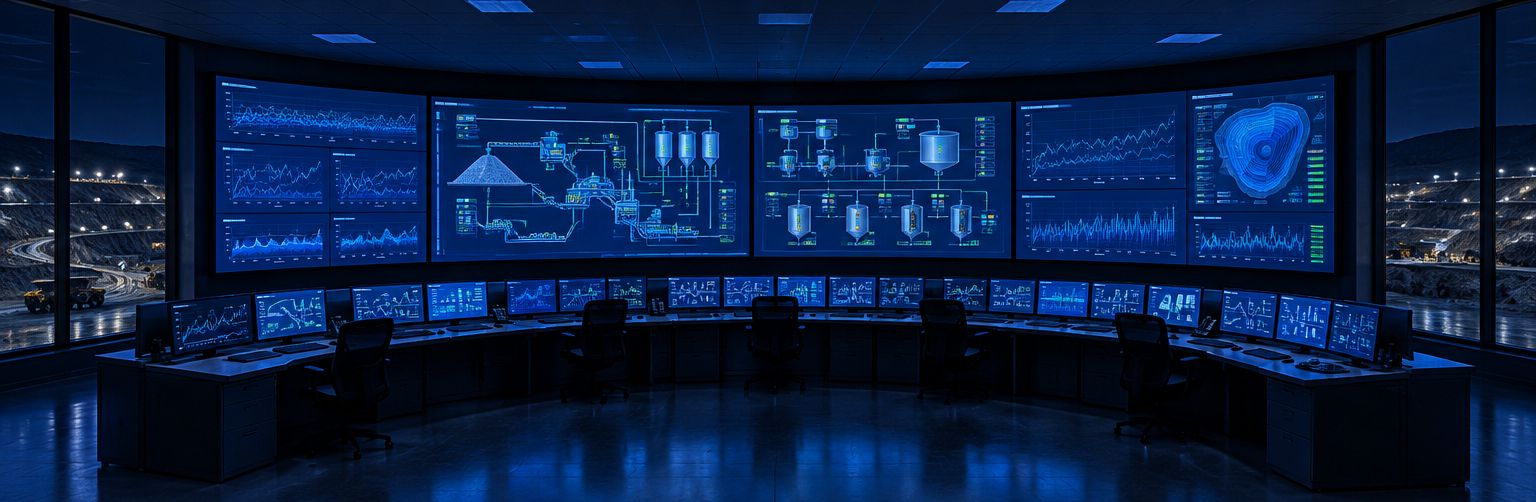
One clock. One set of IDs. One record from pit to plant.
We join fleet, drill and blast, plant historian, lab and maintenance data into one documented dataset your engineers can trust and reuse.
- /0.1Which shovel, blast and stockpile did today’s mill feed come from?
- /0.2Why do the mine and the plant report different tonnes?
- /0.3Which of our hundreds of plant tags can we actually rely on?
- /0.4How long did we really run, and why did we stop?
Deliverables you keep, whether or not we continue.
- An integrated minute-level dataset in your database or as files
- A data dictionary: every field with its unit, meaning and quality flag
- A mine-to-mill signal map with the known time lags
- A repeatable pipeline you can rerun every month
Four steps, each one checked.
- 01
Inventory
Systems, tags, owners and access. We map what exists before touching it.
- 02
Align
Clocks, time zones, lags and IDs, so a truck load and a mill minute line up.
- 03
Clean and flag
Gaps, frozen values, spikes and unit changes are flagged, never silently fixed.
- 04
Document
A data dictionary and signal map, so the next study starts in days, not months.
Every truck. Every tonne. Every minute.
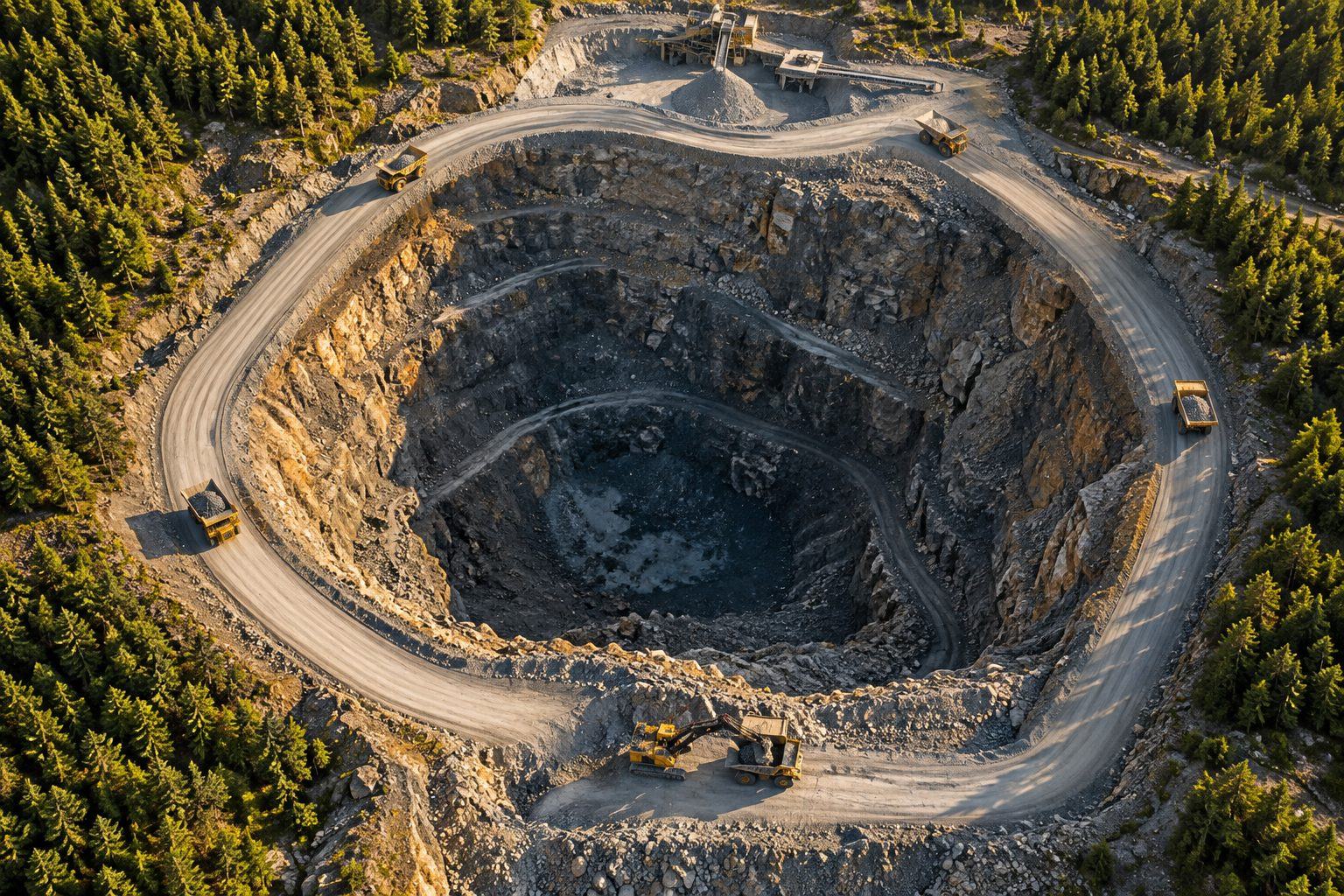
We follow ore from the shovel to the crusher and on into the mill, so the plant sees what the pit sent it and the pit sees what the plant needed.
Animation with illustrative numbers.
Your data stays yours. We work inside your environment or under a non-disclosure agreement, and nothing is used for anyone else.
Often done together.
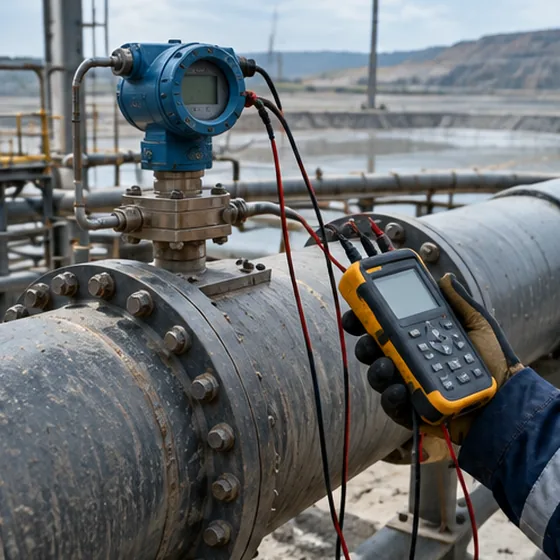
Sensor and data quality audit
Find instruments that drift, freeze or over-read before they mislead a decision.
Learn more →
Mine-to-mill reconciliation
Close the gap between planned, mined and milled tonnes, grade and metal.
Learn more →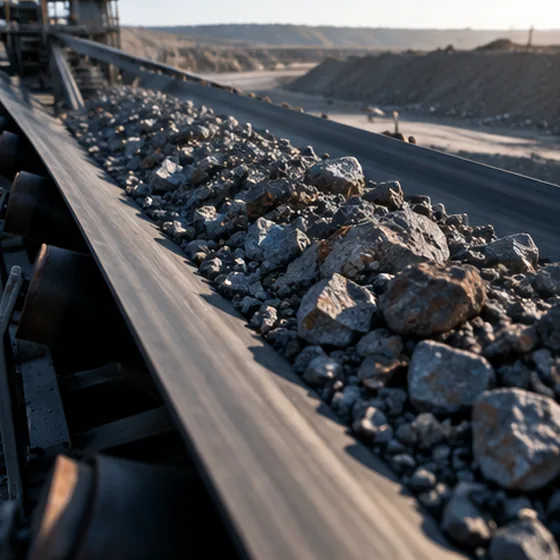
Sensitivity analysis
Which variables really move throughput, energy and recovery, and by how much.
Learn more →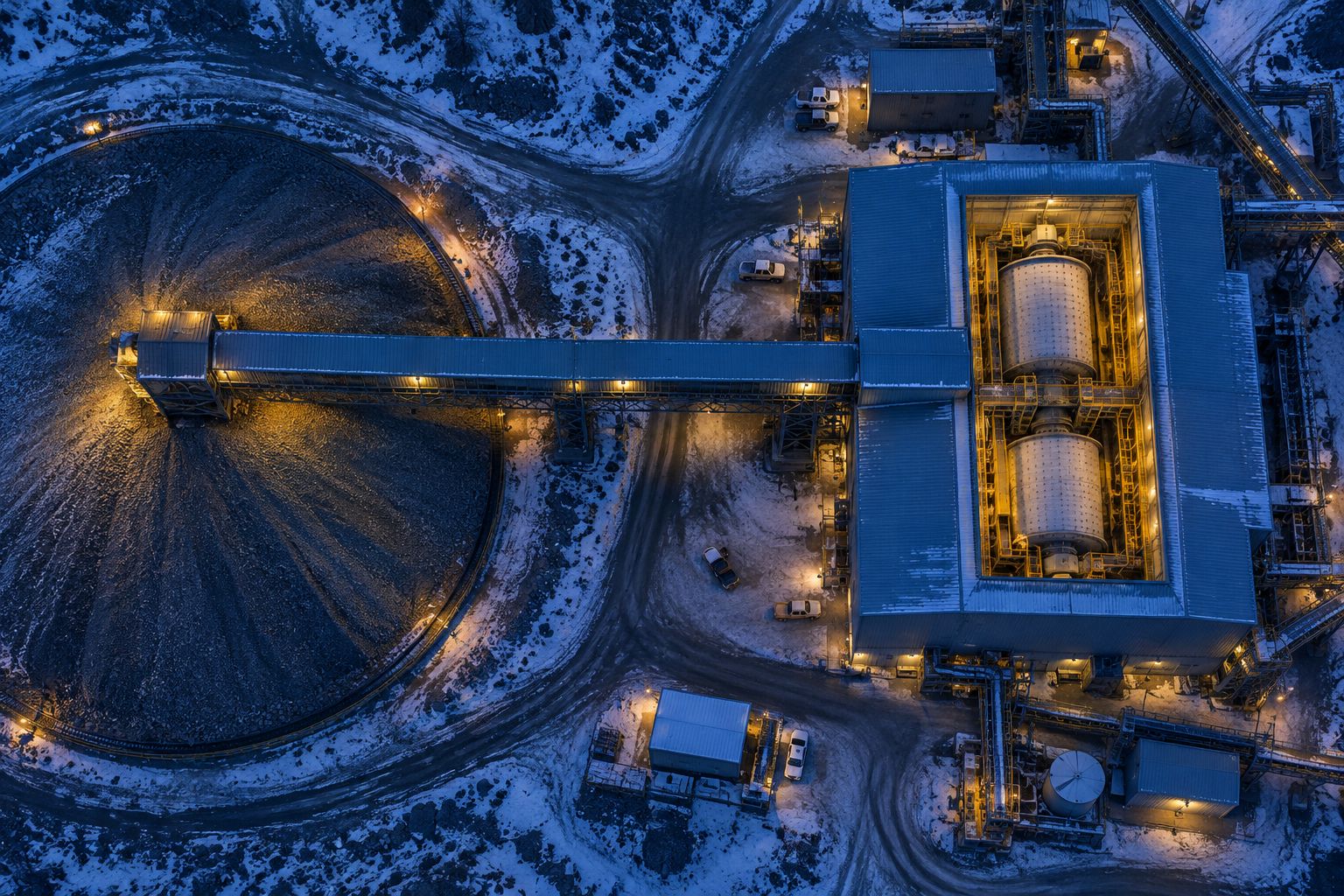
Your plant already has the answers.
Tell us the question that keeps coming back. We will show you what your data can say about it.