

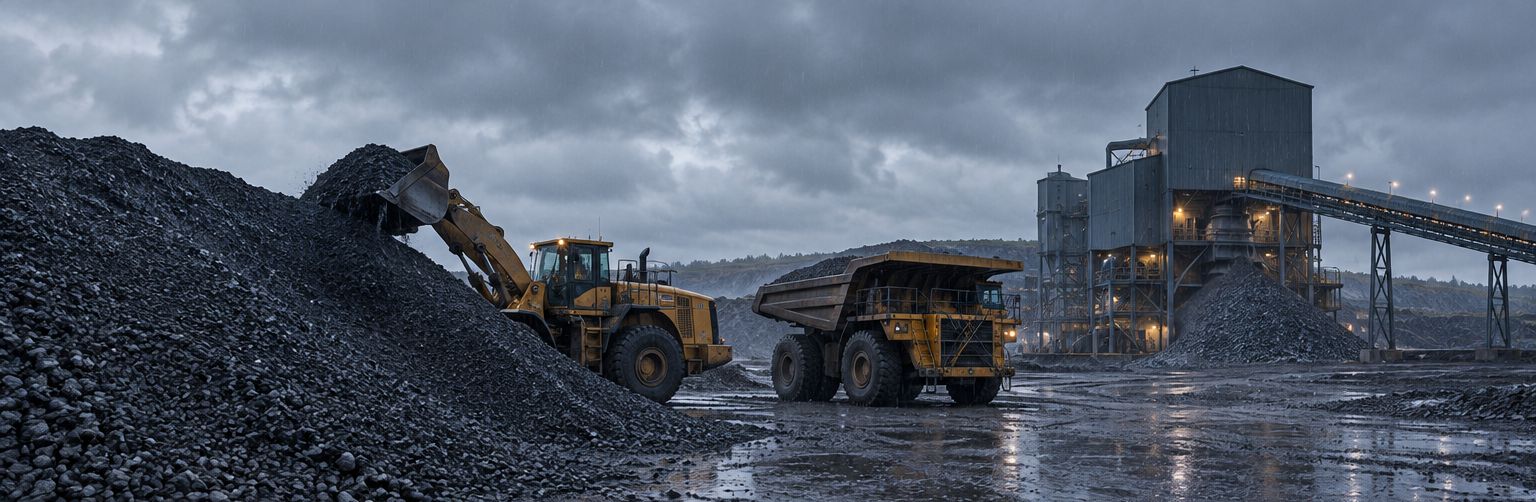
Close the gap between planned, mined and milled.
We trace tonnes, grade and metal from the block model through the pit, stockpiles and crusher to the mill, and show where the differences come from.
- /0.1Where does the gap between mine and mill tonnes open up?
- /0.2Are truck factors and the stockpile model still right?
- /0.3How much metal did the plan promise against what the plant recovered?
- /0.4Which ore sources reconcile worst, and why?
Deliverables you keep, whether or not we continue.
- A reconciliation model by month and ore source
- Factor trends with confidence ranges
- A gap attribution report
- A repeatable monthly workbook or dashboard
Four steps, each one checked.
- 01
Build the chain
Model, mined, stockpiled, crushed, milled and recovered, on one timeline.
- 02
Align
Periods, sources and measurement points are matched before anything is compared.
- 03
Quantify
Reconciliation factors by month and source, with their uncertainty.
- 04
Explain
Each gap is attributed to its likely causes, with the evidence.
Your data stays yours. We work inside your environment or under a non-disclosure agreement, and nothing is used for anyone else.
Often done together.
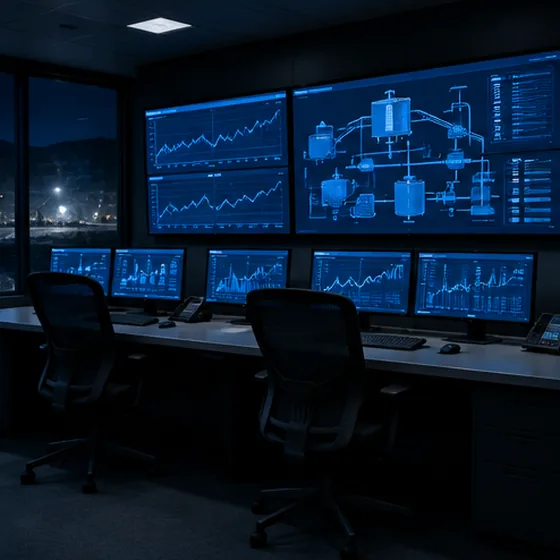
Mine-to-mill data integration
Fleet, plant historian, lab and maintenance data joined on one clock and one set of IDs.
Learn more →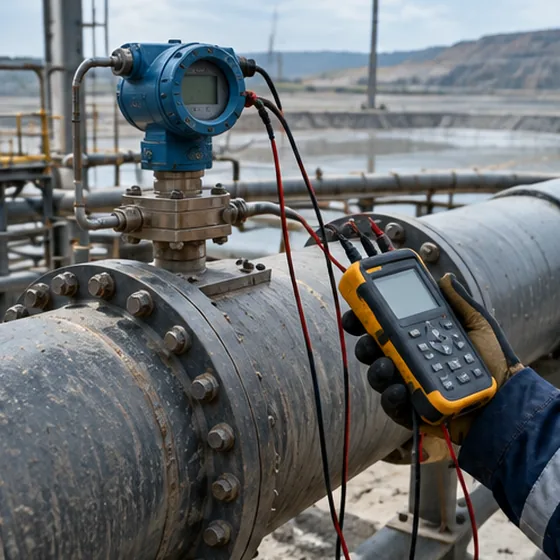
Sensor and data quality audit
Find instruments that drift, freeze or over-read before they mislead a decision.
Learn more →
Sensitivity analysis
Which variables really move throughput, energy and recovery, and by how much.
Learn more →
Your plant already has the answers.
Tell us the question that keeps coming back. We will show you what your data can say about it.